
Stomach Cancer Treatment in Faridabad
Personalized Stomach Cancer Care with a Focus on Your Health and Well-Being
A stomach cancer diagnosis can bring uncertainty, fear, and many questions about the future. Whether you are experiencing persistent digestive problems or have recently been diagnosed with gastric cancer, understanding your condition and available treatment options is an important first step.
At Dr. Abhishek Bansal’s oncology practice, the focus is on helping patients and their families understand stomach cancer, explore appropriate treatment options, and make informed decisions about their care.
If you are looking for stomach cancer treatment in Faridabad, Dr. Abhishek Bansal provides oncology consultations and individualized treatment guidance based on the patient’s diagnosis, cancer stage, overall health, and medical needs.
From understanding diagnostic reports to discussing chemotherapy, targeted therapy, immunotherapy, and multidisciplinary treatment planning, the goal is to make the cancer care journey more understandable and supportive.
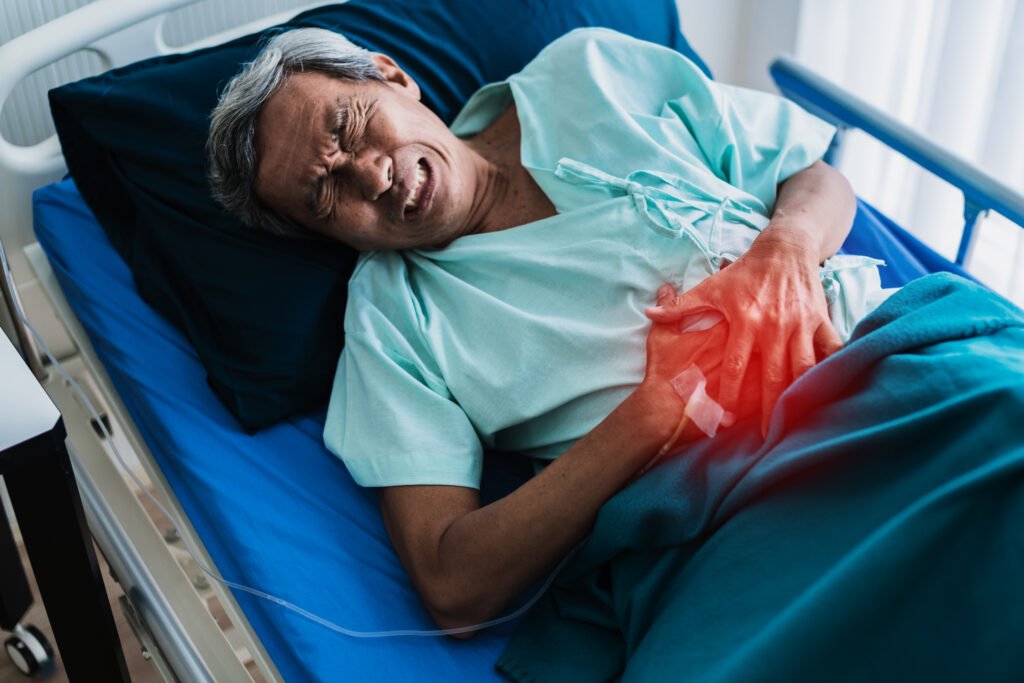
What Is Stomach Cancer?
Stomach cancer, also known as gastric cancer, develops when abnormal cells in the stomach begin growing uncontrollably. These cells may form a tumor that can gradually affect the normal functioning of the stomach.
The stomach is an important part of the digestive system. It helps break down food before passing it into the small intestine. When cancer develops in the stomach, it may interfere with digestion and, in some cases, spread to nearby lymph nodes or other organs.
The most common type is gastric adenocarcinoma, which begins in the glandular cells lining the stomach.
Stomach cancer often develops gradually, and its early symptoms may resemble common digestive conditions such as acidity, gastritis, or indigestion. This is why persistent or unexplained digestive symptoms should not be ignored.
Early medical evaluation can help identify the cause of symptoms and determine whether further testing is needed.
Types of Stomach Cancer
Different types of tumors can develop in the stomach. Identifying the exact type is important because treatment approaches may differ.
1. Gastric Adenocarcinoma
Gastric adenocarcinoma is the most common form of stomach cancer. It develops in the cells lining the inner surface of the stomach and accounts for the majority of gastric cancer cases. Treatment depends on factors such as tumor location, stage, and molecular characteristics.
2. Gastrointestinal Stromal Tumors (GISTs)
Gastrointestinal stromal tumors develop from specialized cells within the digestive tract wall. Some GISTs occur in the stomach and may require surgery or specific targeted medicines.
3. Gastric Lymphoma
Gastric lymphoma develops in lymphatic tissue within the stomach. Its treatment differs from gastric adenocarcinoma and may include medication, chemotherapy, immunotherapy, or other approaches depending on the lymphoma subtype.
4. Gastric Neuroendocrine Tumors
These tumors develop from neuroendocrine cells in the stomach. Some grow slowly, while others behave more aggressively. A proper diagnosis helps determine which treatment approach is most suitable for each patient.

Early Signs and Symptoms of Stomach Cancer
Recognizing possible stomach cancer symptoms is important, although these symptoms can also occur with several non-cancerous digestive conditions.
In its early stages, stomach cancer may not cause noticeable symptoms. As the disease develops, patients may experience:
- Persistent indigestion or discomfort after eating
- Frequent bloating or a feeling of fullness
- Feeling full after eating a small amount of food
- Ongoing upper abdominal pain
- Unexplained nausea or vomiting
- Reduced appetite
- Unintentional weight loss
- Difficulty swallowing, particularly with tumors near the upper stomach
- Unusual tiredness or weakness
- Blood in vomit or black, tar-like stools
- Anemia caused by slow bleeding from the stomach
Occasional acidity or indigestion does not necessarily indicate stomach cancer. However, symptoms that persist, worsen, or occur alongside unexplained weight loss, anemia, or difficulty swallowing deserve medical attention.
If you experience vomiting blood, black stools with weakness or dizziness, or severe abdominal pain, seek urgent medical care.
Consulting a qualified doctor can help identify the underlying cause and determine whether additional investigations are required.
When Should You Consult a Stomach Cancer Specialist?


What Causes Stomach Cancer?
Stomach cancer develops when genetic changes cause certain stomach cells to grow abnormally. In many cases, the exact reason these changes occur is not known.
However, several factors may increase the risk of developing gastric cancer.
- Helicobacter pylori (H. pylori) Infection
- Family History and Genetic Factors
- Smoking
- Dietary Habits
- Chronic Stomach Conditions
- Age and Other Factors
How Is Stomach Cancer Diagnosed?
Accurate diagnosis is essential for developing an appropriate gastric cancer treatment plan.
When stomach cancer is suspected, doctors may recommend a combination of clinical examination, endoscopy, imaging, and laboratory investigations.
1. Medical History and Physical Examination
The evaluation usually begins with a discussion of symptoms, previous medical conditions, family history, and general health. The doctor may also examine the abdomen and assess signs of weight loss, anemia, or other concerns.
2. Upper Gastrointestinal Endoscopy
Upper GI endoscopy is one of the most important investigations for suspected stomach cancer. A thin, flexible tube containing a camera is passed through the mouth into the stomach, allowing the doctor to examine the stomach lining and identify suspicious areas.
3. Biopsy
During endoscopy, small tissue samples may be collected from suspicious areas. These samples are examined under a microscope to determine whether cancer cells are present and identify the tumor type. A biopsy is generally required to confirm the diagnosis.
4. CT Scan and Other Imaging Tests
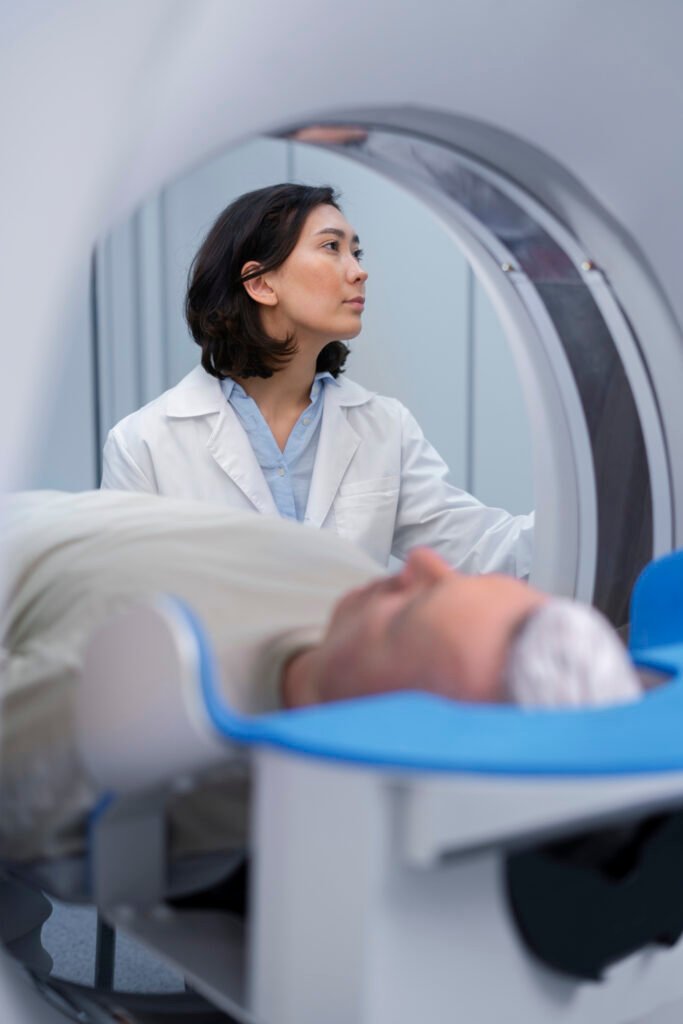
CT scans of the chest, abdomen, and pelvis may be recommended to evaluate the extent of the cancer and determine whether it has spread. In selected situations, PET-CT, MRI, or other imaging investigations may be useful.
5. Endoscopic Ultrasound (EUS)
Endoscopic ultrasound may help assess how deeply the tumor has grown into the stomach wall and whether nearby lymph nodes appear involved.
6. Diagnostic Laparoscopy
For selected patients, particularly when potentially operable but more advanced disease is suspected, diagnostic laparoscopy may help identify cancer spread that is not clearly visible on scans.
Stomach Cancer Treatment Options in Faridabad
There is no single treatment approach that is suitable for every patient with stomach cancer.
The choice of treatment depends on the type and stage of cancer, molecular test results, overall health, nutritional condition, previous treatment, and patient preferences.
Dr. Abhishek Bansal provides oncology guidance and treatment planning with an emphasis on individualized care and appropriate multidisciplinary coordination.
Chemotherapy for Stomach Cancer
Chemotherapy for stomach cancer uses anti-cancer medicines to destroy cancer cells or slow their growth. It may be recommended before or after surgery, for advanced stomach cancer, or alongside immunotherapy or targeted therapy.
Treatment may involve oral or intravenous medicines, depending on the patient's condition. Common side effects include fatigue, nausea, low blood counts, and appetite changes, which can often be managed with supportive care.
Targeted Therapy for Gastric Cancer
Targeted therapy for stomach cancer uses medicines that act on specific proteins or pathways responsible for cancer growth. It may benefit patients whose tumors have certain biomarkers, such as HER2 or CLDN18.2. Biomarker testing helps determine eligibility, while treatment decisions depend on the cancer’s characteristics, previous treatments, and the patient’s overall health.
Immunotherapy for Stomach Cancer
Immunotherapy for gastric cancer helps the immune system recognize and attack cancer cells. It may be recommended for eligible patients with advanced or metastatic stomach cancer, depending on biomarkers such as PD-L1 and MSI/MMR status. Immunotherapy may be combined with chemotherapy, but its effectiveness varies, and potential immune-related side effects require medical monitoring.
Surgery for Stomach Cancer
Surgery for stomach cancer is an important treatment option for patients with localized disease. Depending on the tumor’s location and stage, procedures may include subtotal gastrectomy (partial stomach removal), total gastrectomy (complete stomach removal), or endoscopic resection for selected early-stage cancers. Chemotherapy may be recommended before or after surgery based on the patient’s treatment plan.
Radiation Therapy
Supportive and palliative care for stomach cancer focuses on managing symptoms, reducing treatment-related side effects, and improving quality of life. It may include pain relief, nausea control, nutritional support, fatigue management, and emotional care. Palliative care can be provided alongside active cancer treatment to improve patient comfort and overall well-being.
Why Consult Dr. Abhishek Bansal for Stomach Cancer Treatment in Faridabad?
Choosing an oncologist is an important decision for patients and families facing a cancer diagnosis.
Dr. Abhishek Bansal focuses on helping patients understand their condition and available treatment options through individualized oncology consultations.
Patients seeking stomach cancer care can benefit from an approach that emphasizes:
- Patient-Centered Consultations: Understanding individual symptoms, concerns, and treatment goals.
- Evidence-Based Treatment Planning: Considering clinically appropriate treatment options based on diagnostic findings and established oncology practices.
- Personalized Cancer Care: Recognizing that treatment requirements vary between patients.
- Treatment Education: Helping patients understand chemotherapy, targeted therapy, immunotherapy, and other recommended approaches.
- Support Throughout Treatment: Discussing side effects, supportive care needs, and follow-up requirements.
- Coordinated Cancer Management: Involving other specialists when necessary for comprehensive care.
The objective is to support informed medical decisions while respecting each patient’s needs, preferences, and quality of life.
