
Lung Cancer Treatment in Faridabad
Personalised Medical Oncology Care for Lung Cancer
A lung cancer diagnosis can bring many questions, concerns, and uncertainties for patients and their families. Understanding the diagnosis and available treatment options is an important first step towards making informed decisions about care.
If you are looking for lung cancer treatment in Faridabad, Dr. Abhishek Bansal provides medical oncology consultation and guidance to help patients understand their diagnosis and explore appropriate treatment options.
Lung cancer care depends on several factors, including the type of cancer, its stage, molecular characteristics, and the patient’s overall health. Treatment may involve chemotherapy, immunotherapy, targeted therapy, radiation therapy, surgery, or a combination of these approaches, depending on the individual case.
The focus is on evidence-based treatment planning, clear communication, and supportive guidance throughout the patient’s cancer care journey.

What Is Lung Cancer?
Lung cancer is a disease in which abnormal cells in the lungs grow uncontrollably and may form a tumour. These cells can affect normal lung function and may spread to nearby lymph nodes or other organs.
Although smoking is a major risk factor, lung cancer can also develop in people who have never smoked. Exposure to secondhand smoke, radon, certain workplace substances, air pollution, and other factors may contribute to risk.
Recognising possible lung cancer symptoms and seeking timely medical evaluation can help identify the cause of health concerns and determine whether further investigations are necessary.
Types of Lung Cancer
Lung cancer is primarily classified into two major categories: non-small cell lung cancer and small cell lung cancer. Identifying the correct type is essential because treatment approaches can differ considerably.
Non-Small Cell Lung Cancer (NSCLC)
Non-small cell lung cancer (NSCLC) is the most common type of lung cancer. It includes adenocarcinoma, squamous cell carcinoma, and other less common subtypes.
The treatment plan for NSCLC depends on the cancer stage, tumour characteristics, molecular test results, and the patient's general health. Depending on the circumstances, treatment may include surgery, chemotherapy, radiation therapy, immunotherapy, or targeted medicines
Small Cell Lung Cancer (SCLC)
Small cell lung cancer (SCLC) is generally an aggressive form of lung cancer that can spread rapidly. Chemotherapy and radiation therapy are important treatment approaches, and immunotherapy may be recommended in selected cases.
The appropriate treatment depends on the extent of the disease, the patient's health, and the overall clinical assessment.
Lung Cancer Symptoms: Early Signs You Should Know
Lung cancer may not cause noticeable symptoms during its early stages. When symptoms appear, they can vary from person to person.
Common lung cancer symptoms include:
A persistent cough or a cough that becomes progressively worse
Coughing up blood or blood-stained sputum
Chest pain or discomfort
Shortness of breath
Wheezing or changes in breathing
Persistent hoarseness
Unexplained weight loss
Ongoing tiredness or weakness
Repeated chest infections, including pneumonia
Loss of appetite
These symptoms do not always indicate cancer and may be associated with other medical conditions. However, persistent symptoms, coughing up blood, or unexplained breathing difficulties should be assessed by a healthcare professional.
If you notice possible early signs of lung cancer, seek medical advice rather than relying on self-diagnosis.


Personalised Lung Cancer Treatment and Side-Effect Management
Every patient’s experience with lung cancer is different. A treatment that is appropriate for one person may not be suitable for another, even when the diagnosis appears similar.
Personalised cancer treatment considers the cancer type, stage, molecular profile, previous treatments, other medical conditions, and the patient’s preferences.
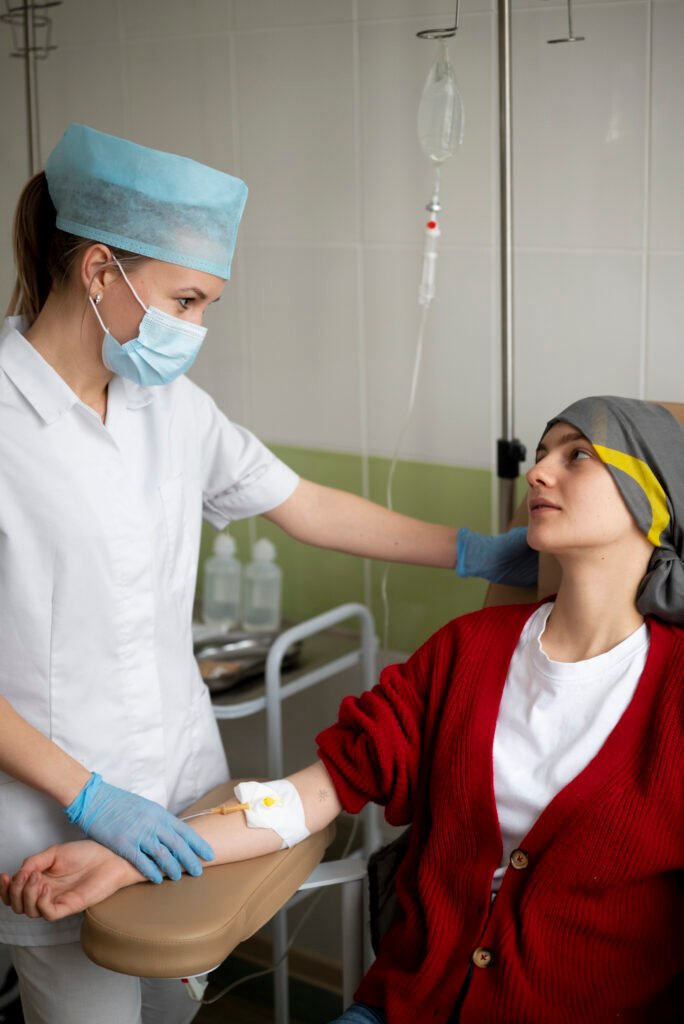
Possible lung cancer treatment side effects vary by treatment. Chemotherapy may cause fatigue, nausea, changes in blood counts, or hair loss. Immunotherapy can cause inflammation involving different organs, while targeted medicines may produce skin, digestive, or other side effects.
Not every patient experiences the same effects. Patients should report new or worsening symptoms to their treating team and should not stop or change prescribed treatment without medical advice.
Regular follow-up helps the oncology team monitor treatment response, manage side effects, and reassess the care plan when necessary.
Lung Cancer Diagnosis: Tests and Investigations
An accurate lung cancer diagnosis helps determine the type and stage of the disease and guides treatment planning. The investigations recommended will depend on the patient’s symptoms, medical history, examination findings, and initial test results.
- CT Scan for Lung Cancer
- Lung Biopsy and Pathology
- PET-CT Scan for Cancer Staging
- Molecular Testing for Lung Cancer
- Lung Cancer Treatment Options
- Lung Cancer Chemotherapy
- Lung Cancer Immunotherapy
- Understanding Lung Cancer Stages
- Early-Stage Lung Cancer
- Locally Advanced Lung Cancer
- Advanced or Metastatic Lung Cancer
- Lung Cancer Targeted Therapy
- Radiation Therapy
- Surgery for Lung Cancer
- Cancer Supportive Care